
Last updated November 21, 2026
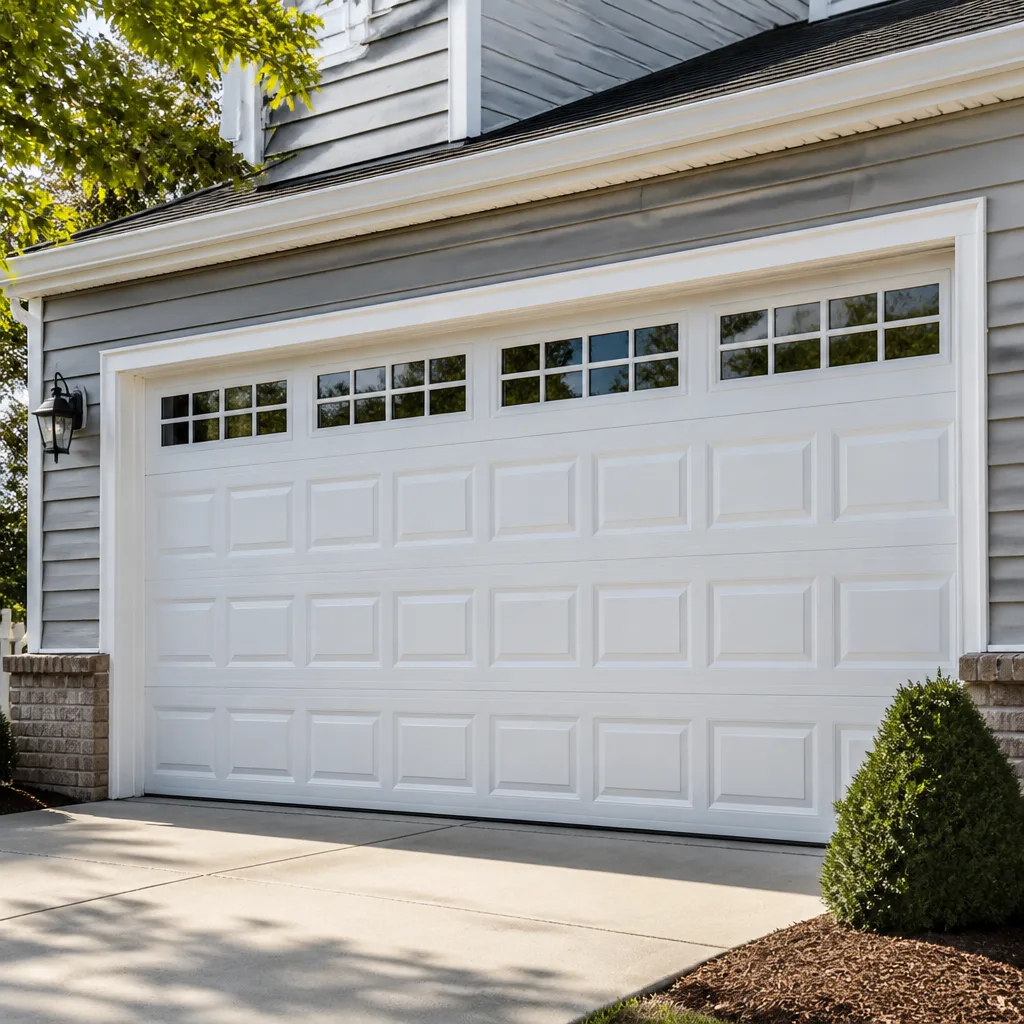 Raised-panel steel
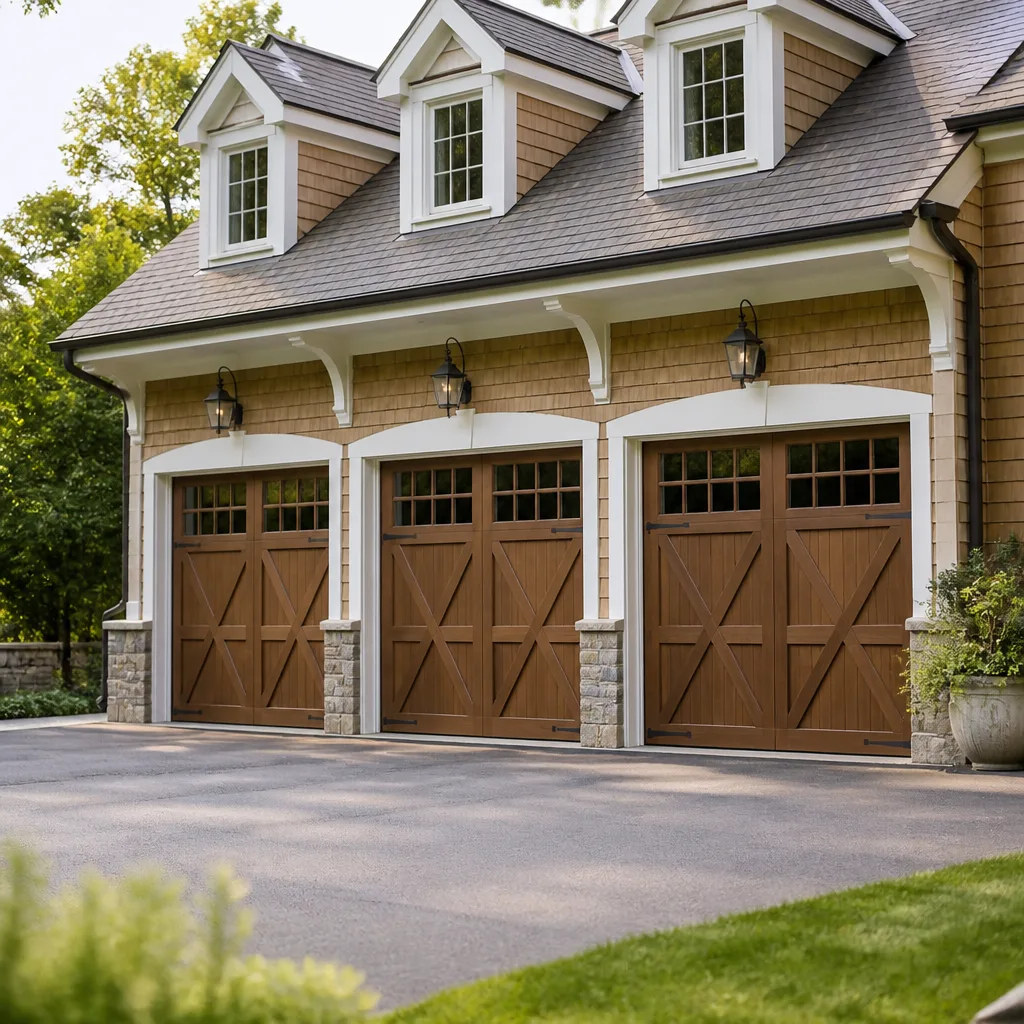 Carriage house
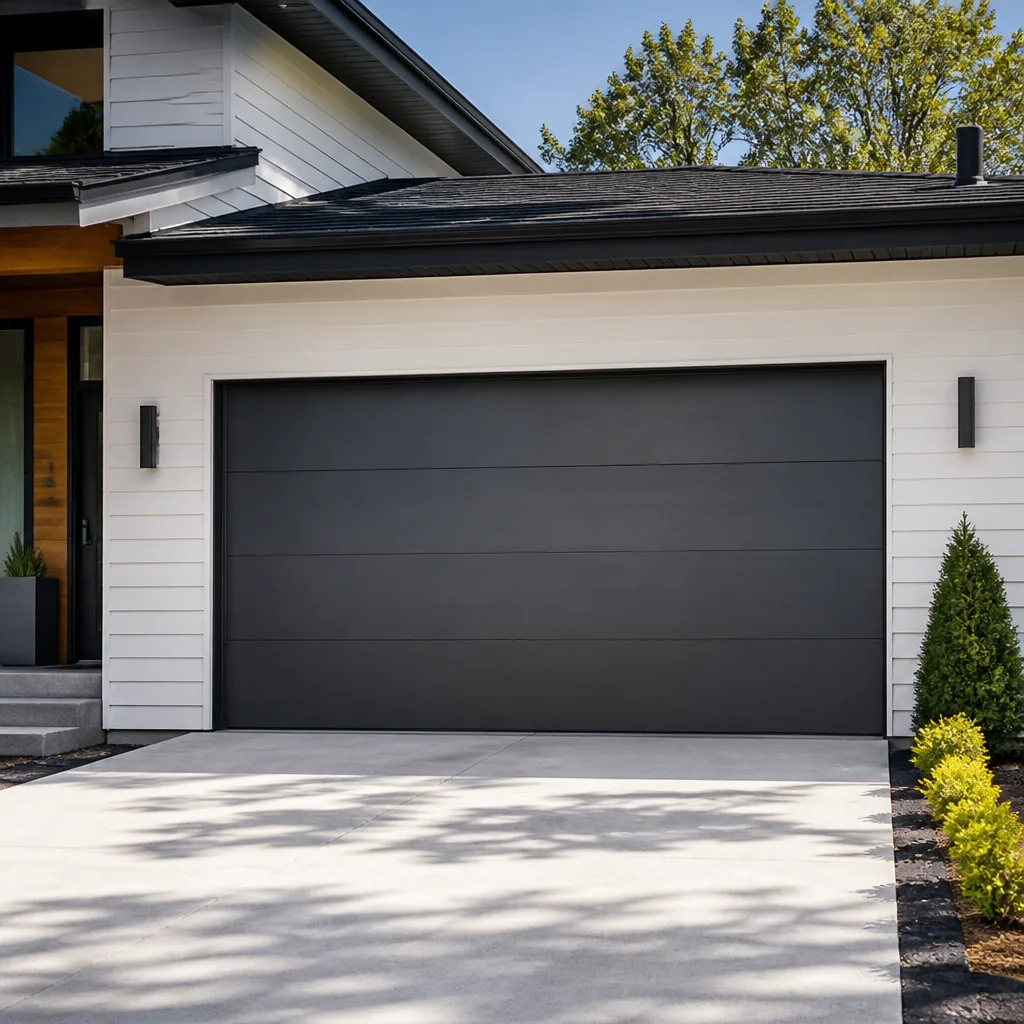 Modern flush
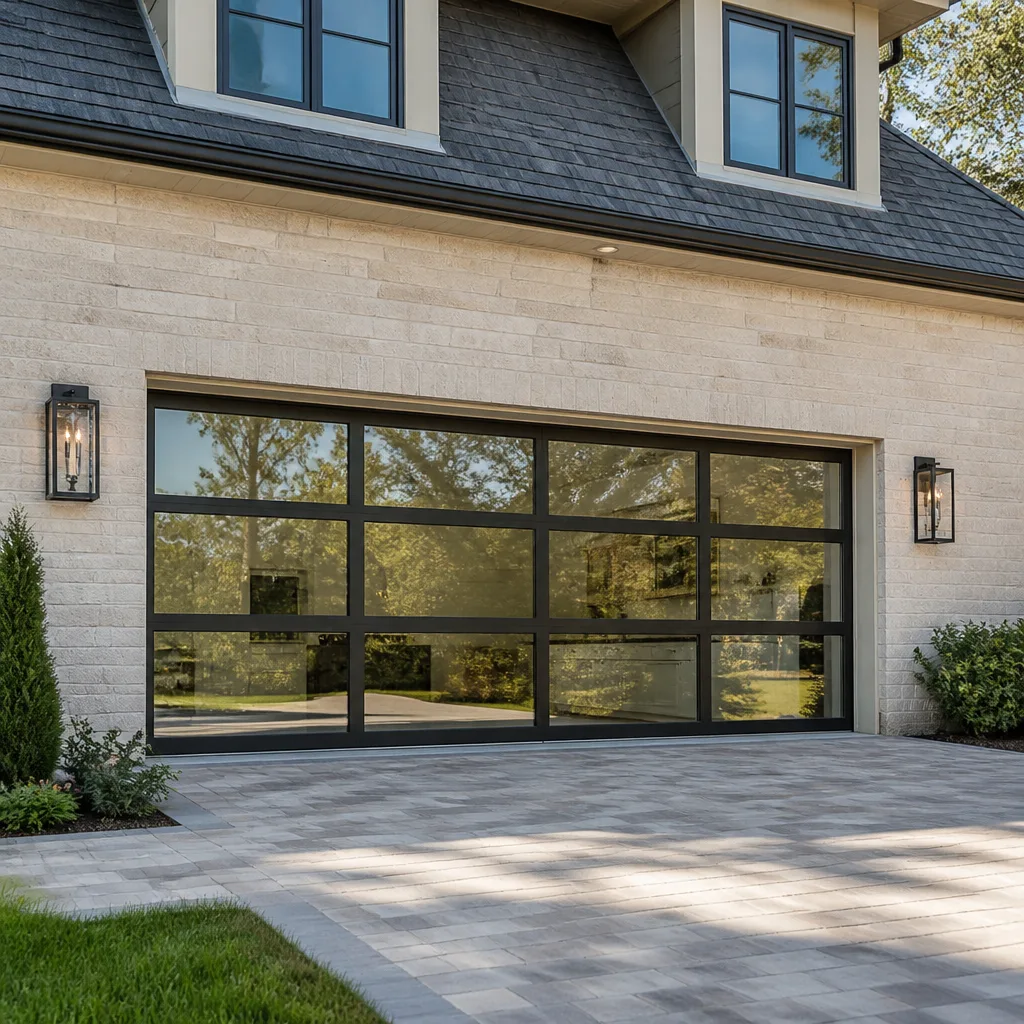 Full-view glass
 LiftMaster openers
 Chamberlain openers
Full 25-point door and opener safety check with every visit - springs, cables, rollers, tracks, and your LiftMaster or Chamberlain opener included
You get a price before we start. It does not change when the pro arrives.
Get your free estimateGarage Door Warning Signs: A Palm Beach Gardens Homeowner’s Reference Guide
Most garage door guides hand you a list of weird noises and tell you to call someone. That list is nearly useless on its own, because a single symptom can mean three different things, and three symptoms together almost always mean one specific thing. The pattern matters more than the noise. Here’s a puzzle unique to Palm Beach Gardens that throws people off: a door that drags in the morning and runs smooth by midday usually isn’t failing at all in the way homeowners assume. It’s telling you how your springs, rollers and weatherstripping behave as South Florida temperatures swing across the seasons. This guide teaches you to read symptom clusters, separate the DIY-monitor signs from the stop-now safety signs, and call with a real diagnosis instead of a vague complaint.
Quick Answer
A garage door shows warning signs in clusters, not single events. A loud bang followed by a door that won’t lift usually means a broken spring; grinding on the way up usually points to rollers, tracks or the opener. In Palm Beach Gardens, watch also for rust streaking, condensation in the bottom seal channel and brittle, UV-bleached weatherstripping. Any sign of a frayed cable, a door hanging crooked, or a spring with a visible gap means stop using the door and call a professional.
Styles & brands we work with
- Raised-panel steel
- Carriage house
- Modern flush
- Full-view glass
- LiftMaster openers
- Chamberlain openers
Table of Contents
- Why Symptom Clusters Beat Single-Symptom Checklists
- Warning Signs Specific to Palm Beach Gardens Homes
- The Loud Bang vs. the Grind: Reading the Difference Correctly
- Opener Warning Signs That Predict Failure Before It Happens
- Monitor and Wait, or Stop Using the Door Now? A Decision Framework
- Reading the Four Cluster Patterns: Springs, Cables, Tracks, Opener
- A Five-Minute Walkaround You Can Do Monthly
Why Symptom Clusters Beat Single-Symptom Checklists
A rattle could be a loose bolt, a worn hinge or the first sign of a failing roller. One sound, no diagnosis. But two or three symptoms that show up together narrow the field fast, and that’s exactly what we’ve seen across thousands of service calls. Learning to read the cluster is the difference between describing “it’s making a noise” and saying “it grinds on the way up and the door feels heavy by hand,” which points a trained technician straight to the rollers or the track alignment.
Here’s the mental model. Springs control weight. Cables transfer that weight safely. Tracks guide the door. The opener only pushes and pulls. When something fails, the symptom shows up downstream of the actual cause, which is why people blame the opener for a spring problem, or blame the springs for a track problem. The chart of clusters below is the shortcut.
Symptom clusters also save money. When a homeowner in Palm Beach Gardens misreads a grind as a spring problem, or a slow opener as a track problem, the wrong part gets replaced and the real issue keeps grinding. Reading clusters correctly means the right diagnosis on the first visit, and one repair instead of two.
Warning Signs Specific to Palm Beach Gardens Homes
Garage doors here live through a specific set of conditions that a generic national checklist never mentions: weeks of heavy summer humidity, strong sun on south- and west-facing doors, and a swing between cool nights and warm days that flexes metal and tightens or loosens spring tension slightly. Three local warning signs come out of that pattern, and they’re easy to spot once you know what you’re looking for.
- Rust streaking on the door face. Not a cosmetic problem. Streaks usually start at a hinge, a bottom bracket or a fastener, and they mean moisture is sitting where it shouldn’t. Left alone, the metal behind the paint thins, and the hardware that holds the door together weakens.
- Condensation pooling in the bottom seal channel. The bottom weather seal traps water on humid days. If you find standing moisture in the channel after a warm spell, the seal is no longer doing its job, and the door’s bottom section is the next thing to suffer.
- UV-bleached, brittle weatherstripping. Sun exposure dries out the rubber and vinyl seals until they crack and crumble. A hardened seal lets in rain, insects and heat, and it also tightens the door’s travel because the seal drags against the frame.
Doors on the western side of a Palm Beach Gardens home get the worst of the afternoon sun, so inspect those seals and painted surfaces first. A monthly glance at the bottom seal and the hinge line takes two minutes and catches these three problems while they’re still cheap to fix. Old steel doors from Wayne Dalton and similar legacy brands show these signs sooner than newer insulated panels, which is one reason the door’s brand and age change how closely we look at the seals and hinges. If the paint is blistering on top of a rust line, that’s a sign the door face itself is absorbing water, not just the hardware.
The Loud Bang vs. the Grind: Reading the Difference Correctly
These two sounds feel similar in the moment and mean completely opposite things. A loud bang is a spring breaking. A grind is friction. Mixing them up costs money because the repairs are unrelated, and the urgency level is completely different.
A loud bang from the garage, often with the door dropping partway or the opener running but the door not lifting, is the classic broken torsion spring. High-tension springs and the cables they load are the most dangerous parts of a garage door. Never try to lift a door with a broken spring yourself, never try to adjust or wind a spring, and never cut or loosen a cable. Springs and cables carry enough stored energy to cause serious injury, so this is a job for a trained technician with the right winding bars and the right procedure.
A grind on the way up is friction. It usually comes from one of four places:
- Worn rollers that have flattened or seized and no longer roll smoothly in the track.
- A track that’s bent, dented or slightly out of alignment, so the rollers bind.
- Dry or worn hinges and bearings that need lubrication and inspection.
- A garage door opener gear or chain that’s wearing, which grinds under the load of a heavier door.
Here’s the misdiagnosis risk. A grinding door feels heavy, so homeowners assume the springs are going. But if the springs test sound and the grind is coming from rollers or a bent track, replacing the springs fixes nothing and the grind returns. Conversely, a bang usually means the opener gets blamed because it won’t lift the door. It won’t lift the door because the spring that balances the weight has failed. Telling these two sounds apart in the moment is the single most useful skill this guide teaches.
If the door has become heavy to lift by hand, or the opener strains on the way up, the underlying issue might be the spring. A trained tech should confirm it. If the door is binding on one side and the sound comes from a track, that’s often a roller or alignment problem, and our garage door repair work starts with that kind of diagnosis before any part is replaced.
Opener Warning Signs That Predict Failure Before It Happens
The opener is the part of the system that keeps working right up until it doesn’t, which is why predictive signs matter here more than anywhere. The good news: garage door openers give you weeks of warning before they fail, if you know what to watch for. Three signals stand out.
- Response lag. The opener hesitates for a moment before starting to move when you press the remote or the wall button. Lag often comes from a worn logic board, a failing capacitor or a motor that’s straining against a heavier door.
- Partial-travel reversal. The door starts up or down, stops, and reverses before reaching the end. This is usually a limit switch, a force setting or a safety sensor alignment issue, and it’s the sign that most often precedes a full failure because the opener is fighting itself.
- Remote range reduction in the heat. Remotes that work from the driveway in the morning and fail from the same spot by afternoon are often showing heat-related signal loss or a dying battery in the remote and the logic board’s receiver. If the battery is fresh and the range drops in the heat, it’s usually the opener’s receiver.
A door that reverses on the way down when nothing is in its path is a safety issue, not a convenience issue. The safety sensor system is there to stop the door on a person or an object, and a reversal bug is the opposite problem. If the door reverses for no reason, don’t override the system. Have it diagnosed. Our garage door opener repair covers the smart-home-compatible brands most common in newer Palm Beach Gardens homes, including LiftMaster and Chamberlain units that link to a phone app, and we work on legacy Craftsman openers too.
One pattern worth knowing: an opener that lags, reverses and strains all in the same week is rarely three separate problems. It’s usually one opener trying to lift a door that’s become heavier than it should be, which points back to springs, rollers or a track issue. That’s a cluster, and it’s why a single technician visiting once can diagnose the whole system instead of replacing one part and scheduling a second trip.
Monitor and Wait, or Stop Using the Door Now? A Decision Framework
This is the question homeowners in Palm Beach Gardens ask us most. Some warning signs mean “watch it and book a repair this week.” Others mean “stop now, don’t run the opener, and call today.” Here’s the split.
Stop using the door now and call a professional if you see any of these:
- A loud bang followed by a door that won’t lift, or a visible gap in a torsion spring.
- A frayed, kinked or slack cable, or a cable that’s jumped off its drum.
- A door hanging crooked, or a door that lifts on one side only.
- A door that drops the last few inches on its own when you let go of the manual release.
- Any sign of a broken hinge or a cracked bottom bracket that holds the cable.
- A door that reverses on the way down without an obstruction.
Monitor and book a repair within days if you notice:
- A slow, even grind on the way up with no drop or bang.
- A slight rattle or wobble that’s been the same for weeks.
- Rust streaking that’s cosmetic and hasn’t spread to a hinge or bracket.
- A weather seal that’s cracked but not affecting travel.
- An opener that lags occasionally but reliably finishes each cycle.
The dividing line is safety-critical hardware. Springs, cables, tracks and the safety reverse system are the four areas where a small failure becomes a big one fast. If the sign points to any of them, treat it as a stop. Cosmetic and comfort issues can wait a few days.
And if the door is stuck, jammed, or a spring has broken and the car is trapped inside, emergency service is exactly what that situation calls for. A broken spring or a failed opener isn’t a scheduled problem. We answer 24/7 and run fast dispatch from 7am to 7pm, Sunday through Friday, for Palm Beach Gardens homeowners who need the door working now.
Reading the Four Cluster Patterns: Springs, Cables, Tracks, Opener
Once you know the individual signs, the clusters get easy to spot. Here are the four patterns we see most often in Palm Beach Gardens, and what each points to.
Cluster 1: the spring pattern. A loud bang, a door that won’t lift, a heavy door by hand and an opener that runs but doesn’t move the door. All four signs point to the torsion spring. Don’t run the opener repeatedly, because the motor will burn out trying to lift a door the spring used to balance. A matched pair of springs is usually replaced together, and this is the highest-risk repair on a garage door. Our garage door spring repair treats it that way.
Cluster 2: the cable pattern. A door that hangs crooked, a grinding on one side only, a frayed or slack cable visible near the drum, and a door that binds when it reaches the top or bottom. The cable pattern is a stop-now sign every time. Cables carry the same stored energy as springs, and a snapped cable releases a door suddenly.
Cluster 3: the track pattern. A grind on the way up, a door that jiggles in the track, scratches on the track’s interior and a bottom seal that’s suddenly dragging on one side. Track issues are often alignment problems, and they’re usually caught early enough to fix without replacing the track. If the rollers are also worn, replacing them along with the alignment fixes the whole pattern.
Cluster 4: the opener pattern. Response lag, partial-travel reversal, reduced remote range in the heat and a light that flickers when the opener runs. This is often a single opener problem and a repair, not a replacement. On newer smart-home openers, sometimes the fix is a sensor alignment or a force setting, and the unit has plenty of life left.
A Five-Minute Walkaround You Can Do Monthly
A regular walkaround catches most of these problems while they’re still small. Five minutes, once a month, and you’ll know your door’s health better than any checklist can tell you.
- Open and close the door once and listen. Note any new sound, grind or bang.
- Look at the springs above the door. A torsion spring runs along a shaft; an extension spring runs above the tracks. Look for a visible gap or coil separation, and never touch them.
- Check the cables near the bottom corners. Frayed, kinked or slack means stop and call.
- Run your eyes along the tracks. Any bends, dents or rust flecks are worth noting.
- Look at the bottom seal for condensation, cracking or UV brittleness.
- Test the safety reverse by placing a piece of wood in the door’s path and closing it. The door should reverse.
- Press the remote from the end of your driveway and note the range.
- Open and close the door by hand with the opener disengaged. It should lift easily and stay put when you let go halfway.
Do not attempt: adjusting springs, unwinding a torsion shaft, cutting or re-routing a cable, or prying a door out of a jammed track. Those are the four jobs where a homeowner injury happens, and they belong to a trained tech. What you can do safely: lubricate hinges and rollers, clear debris from the tracks, and replace weather seals. The old rule of thumb holds. If it’s above your shoulder and under tension, leave it alone.
Common Mistakes to Avoid
- Blaming the opener for a spring problem. If the door won’t lift and the opener runs, replacing the opener doesn’t fix the weight. The springs need attention first.
- Running the door after a broken spring “just to see.” Each cycle strains the opener, warps panels, and can snap a cable under load.
- Treating rust streaking as cosmetic. In Palm Beach Gardens humidity, rust at a hinge or bracket means moisture is degrading the hardware. Left alone it spreads to the door’s structural parts.
- Ignoring a door that reverses on the way down. A safety reverse that fires without an obstruction is the highest-risk sign on this page. The sensor system is there to stop the door on a person.
- Applying lubricant to the tracks. Lubricant on the tracks attracts grit and makes the rollers slip. Grease the hinges, rollers and bearings, not the tracks themselves.
- Skipping the bottom seal. A cracked, UV-bleached seal lets water and insects in, and the drag against the frame can make the door feel heavier than it is.
- Waiting on a door that hangs crooked. A crooked door is usually a cable or a track problem, and both get worse with every cycle. Stop and call.
See the difference
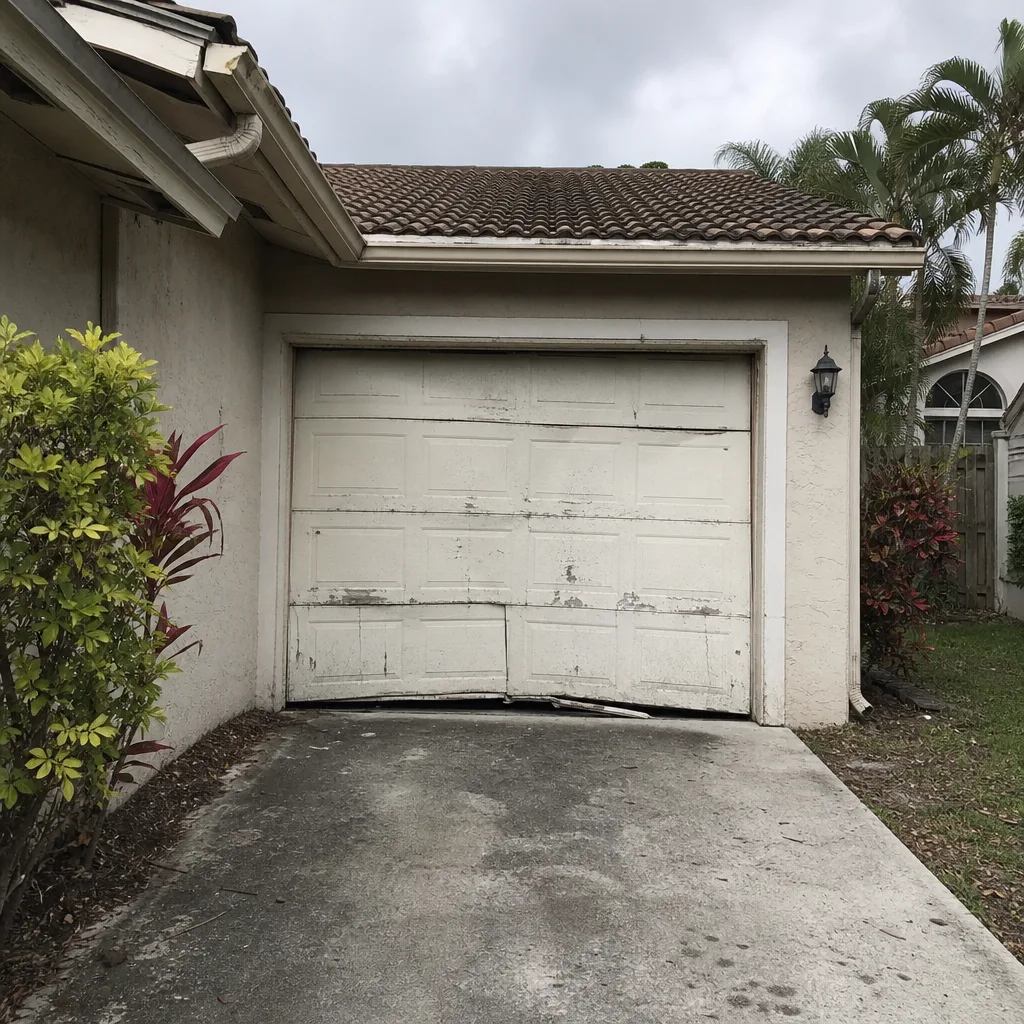 Before
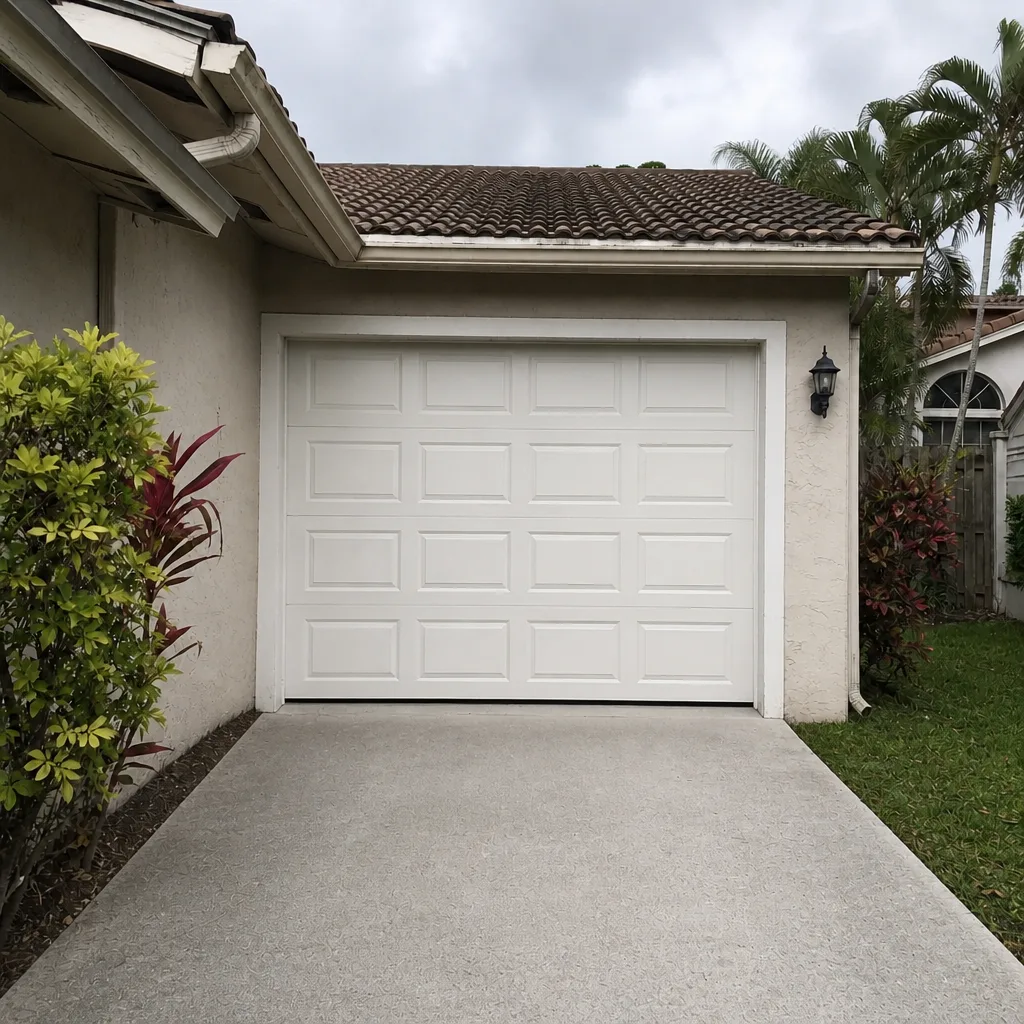 After
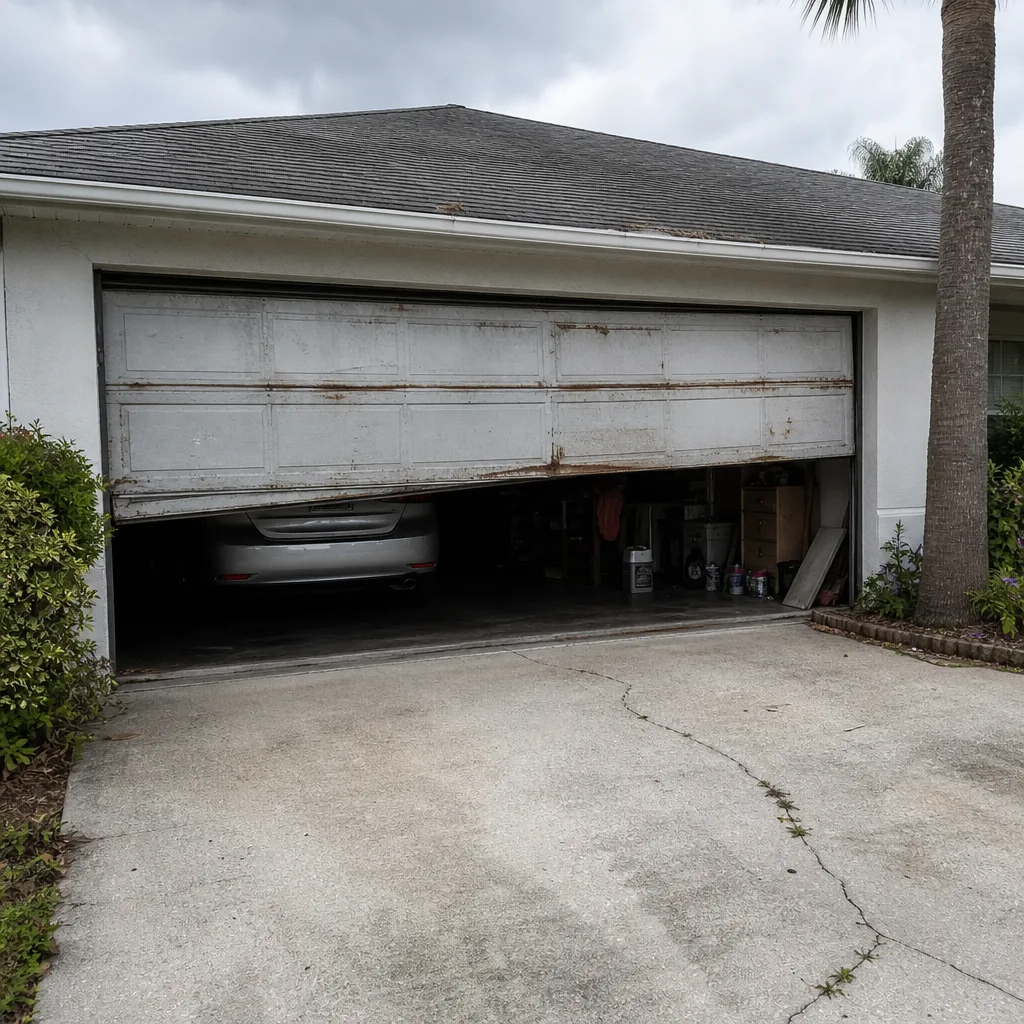 Before
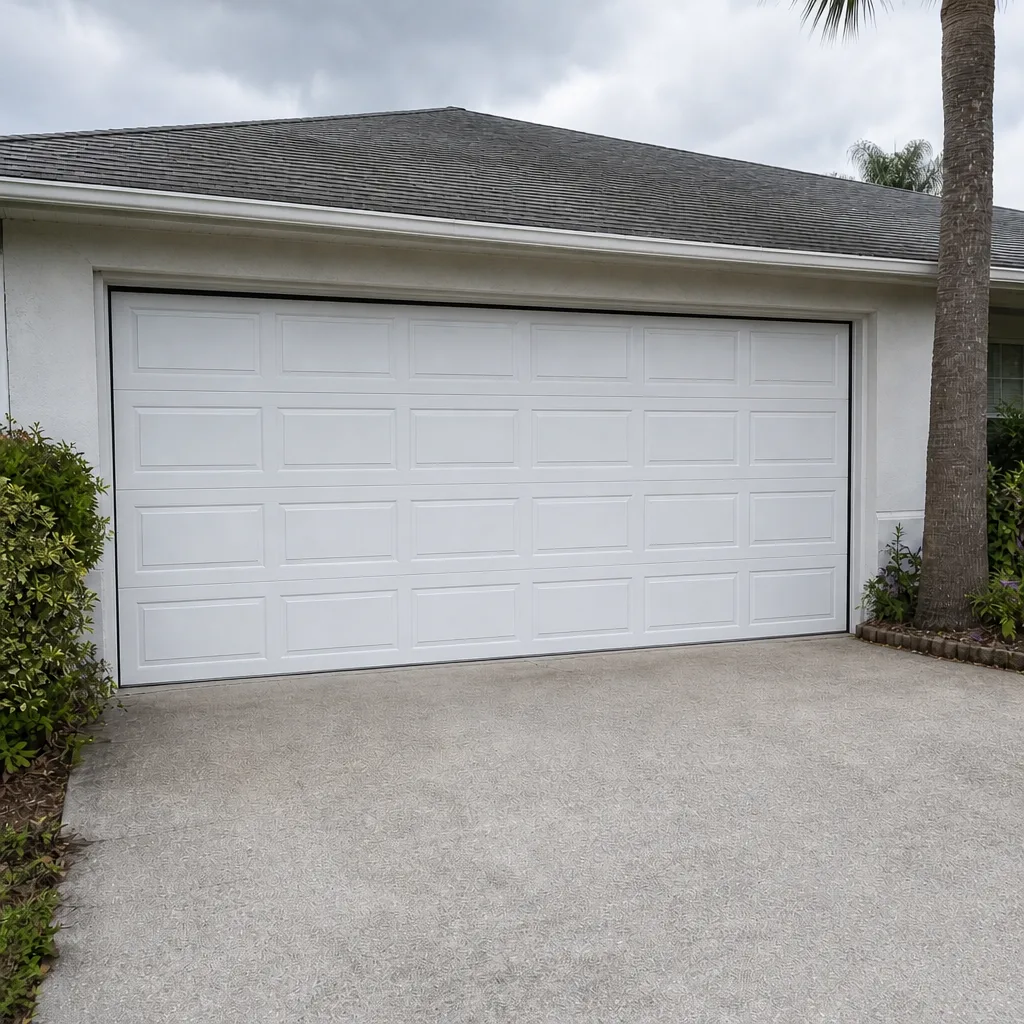 After
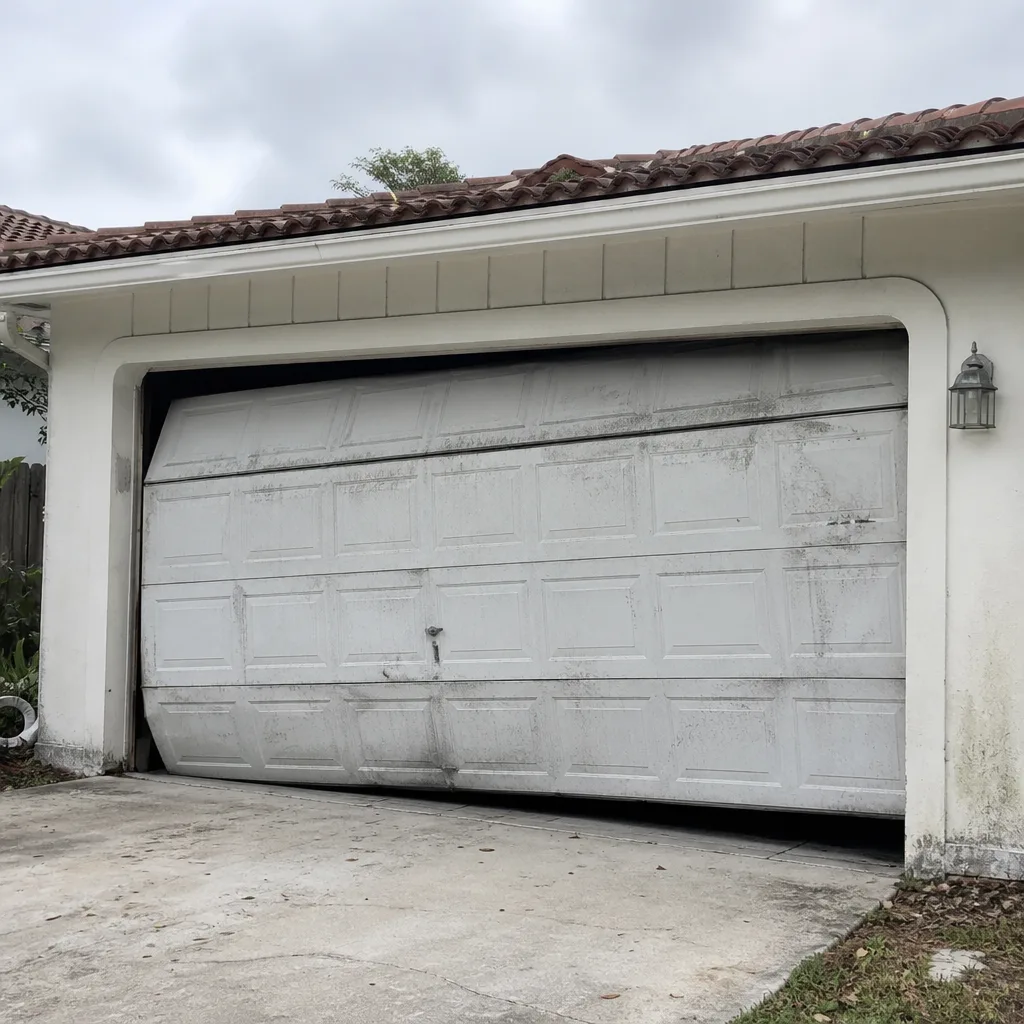 Before
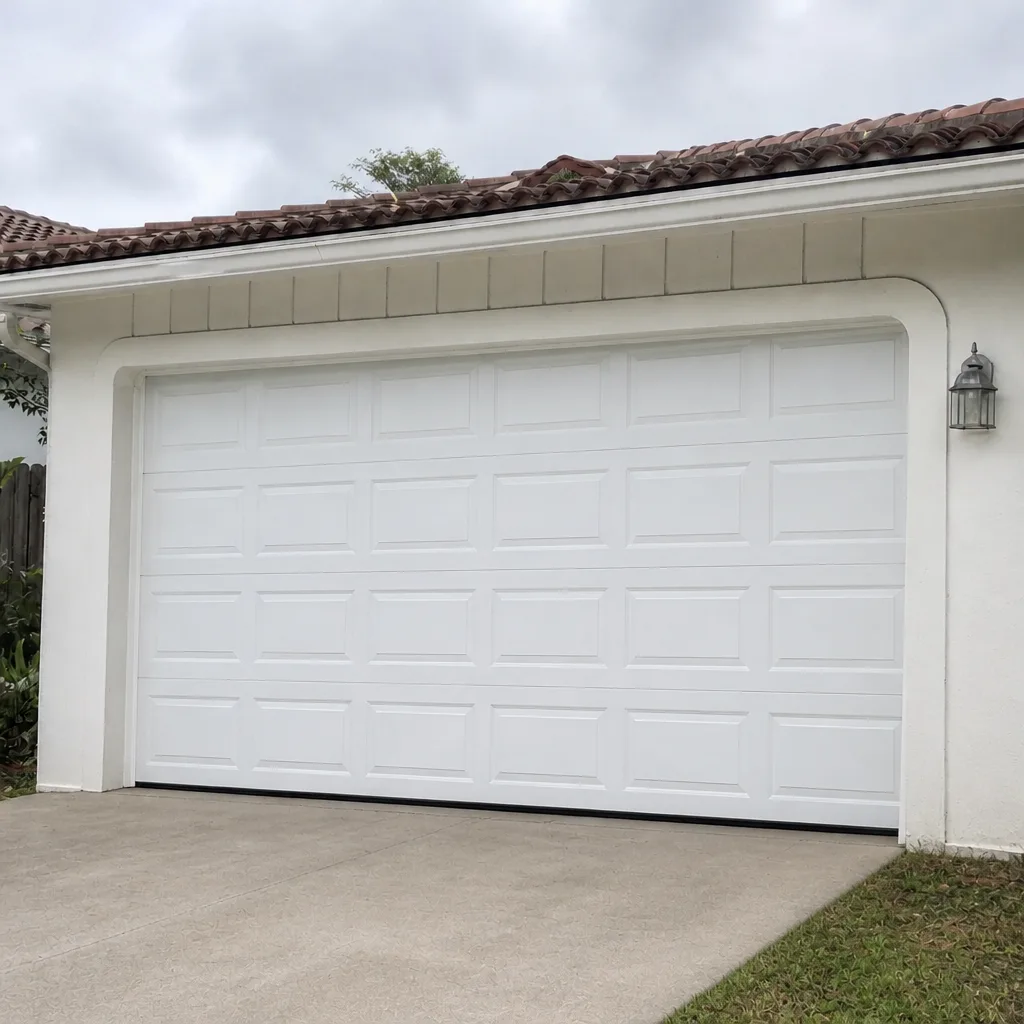 After
When to Call a Professional
Call a professional any time a warning sign points to springs, cables or tracks, any time the door hangs crooked or drops on its own, and any time the safety reverse fires without an obstruction. Also call if the door has become hard to lift by hand, if the opener lags or reverses, or if the door has been making the same grind for weeks without improving. Springs, cables and tracks are the three areas where a small problem becomes a serious one fast, and a trained tech can diagnose the whole system in a single visit. We’re certified across eight of the most common garage door brands on the market, including LiftMaster, Chamberlain, Genie, Clopay, Amarr, Wayne Dalton, Craftsman and Raynor, so we won’t refer you to a brand-specific contractor if your door happens to be a Raynor or a Wayne Dalton. Our technicians have up to 15 years of experience. Palm Beach Gardens Garage Door Repair offers free estimates in Palm Beach Gardens – call (855) 337-1107. We answer 24/7. Fast dispatch from 7am to 7pm, Sunday through Friday.
Frequently Asked Questions
The most reliable sign is a loud bang from the garage followed by a door that won’t lift, or a visible gap in the coil of a torsion spring above the door. A broken spring is a stop-now safety situation: don’t run the opener, don’t try to lift the door, and don’t touch the spring or cable yourself. Call (855) 337-1107 for a free estimate – we answer 24/7 and dispatch fast from 7am to 7pm, Sunday through Friday.
Grinding on the way up usually points to rollers, a track that’s slightly out of alignment, or a worn hinge or bearing, because the door is under different load going up than coming down. This is a monitor-and-book-in-days sign, not a stop-now sign, as long as the door lifts fully and the springs are intact. If the door has become heavy by hand or the opener strains, the springs should be checked too.
Three predictive signs stand out: response lag (the opener hesitates before moving), partial-travel reversal (the door reverses partway through a normal cycle), and reduced remote range in the heat. All three tend to appear weeks before a full opener failure, and all three are usually repairable without replacing the opener. If the door also reverses on the way down without an obstruction, treat that as a safety stop-now sign.
Usually not a broken spring. That pattern is often tension and friction responding to overnight cooling and daytime warming, which is common in Palm Beach Gardens as the seasons swing. It’s worth having checked, because it can also point to a spring that’s slightly out of adjustment or rollers that need lubrication. Don’t adjust the spring yourself – call (855) 337-1107 for a free estimate and we’ll diagnose it in one visit.
No. The written estimate sets the price, and the price is quoted and agreed before any work starts. If a cluster turns out to point to more than one issue, we explain what we found and what each repair involves before any work begins. The estimate is free – call (855) 337-1107.
Yes – the local pro we connect you with is licensed and insured as their state requires. Our technicians have up to 15 years of experience, and we’re certified across eight of the most common garage door and opener brands on the market, including LiftMaster, Chamberlain, Genie, Clopay, Amarr, Wayne Dalton, Craftsman and Raynor. For an exact quote, call (855) 337-1107 – estimates are free.
The Bottom Line
Warning signs are most useful in clusters, not in isolation. A loud bang plus a door that won’t lift points to springs. A crooked door plus a one-sided grind points to cables. A grind on the way up with a jiggling door points to rollers or a track. A lagging, reversing opener points to the opener itself, until the clusters overlap. Palm Beach Gardens homes add three local signs to watch: rust streaking, condensation in the bottom seal channel and UV-bleached weatherstripping. Springs, cables and tracks are stop-now hardware; everything else can usually wait a few days. When a sign points to safety-critical hardware, stop using the door and call. The written estimate sets the price, the price is agreed before work starts, and free estimates are one call away.
If you’ve read this guide and spotted a cluster, don’t wait for a second one to confirm it. Call Palm Beach Gardens Garage Door Repair at (855) 337-1107 for a free estimate. We answer 24/7, and fast dispatch runs 7am to 7pm, Sunday through Friday. We handle the full system, from Palm Beach Gardens Garage Door Repair for emergency breakdowns through spring replacement, opener repair and new installations, and we work on your brand – LiftMaster, Chamberlain, Genie, Clopay, Amarr, Wayne Dalton, Craftsman or Raynor – so you’re not passed between contractors when the door needs real attention.
Written by the team at Palm Beach Gardens Garage Door Repair.